Welcome to my Webpage!

I am very interested in receiving data from meteorological satellites.
This page contains information about my work in this direction.
2005
Start receiving APT by means of receiver R-45.
2006
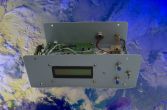
Making EMGO receiver and writing firmware for it.
2007
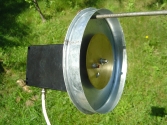
Building the 1.7 GHz --> 137.5 MHz downconverter and receive Meteosat -6, -7.
Using 1.85 m parabolic dish.
2008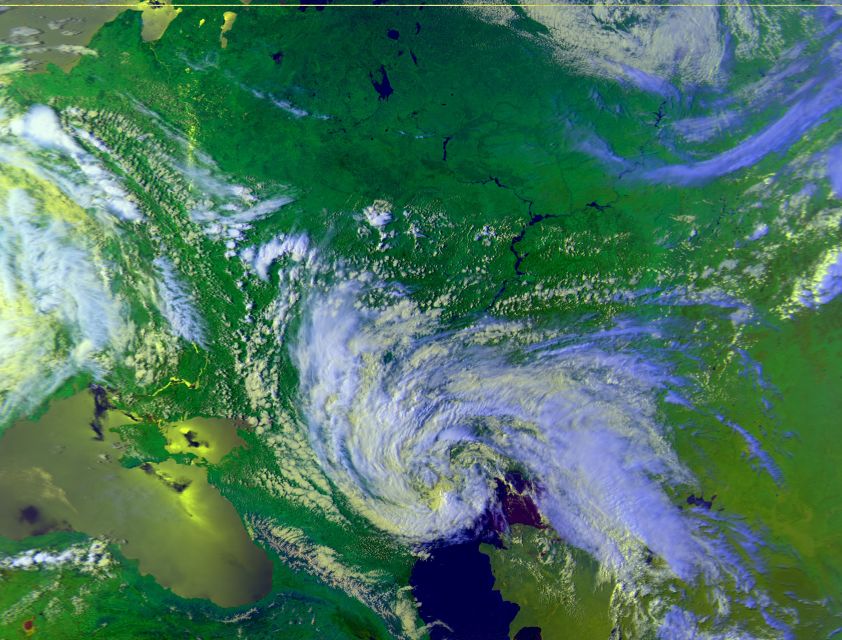
In octobre 2008, has purchased a license and start receiving
Making HRPT equipment and start receive (C)HRPT in Nov 2008.
The equipment consists of a receiver HPR-137, a old decoder Rob Alblas,
1.20m offset parabolic antenna, Az/El rotor and LVB tracker.
2009
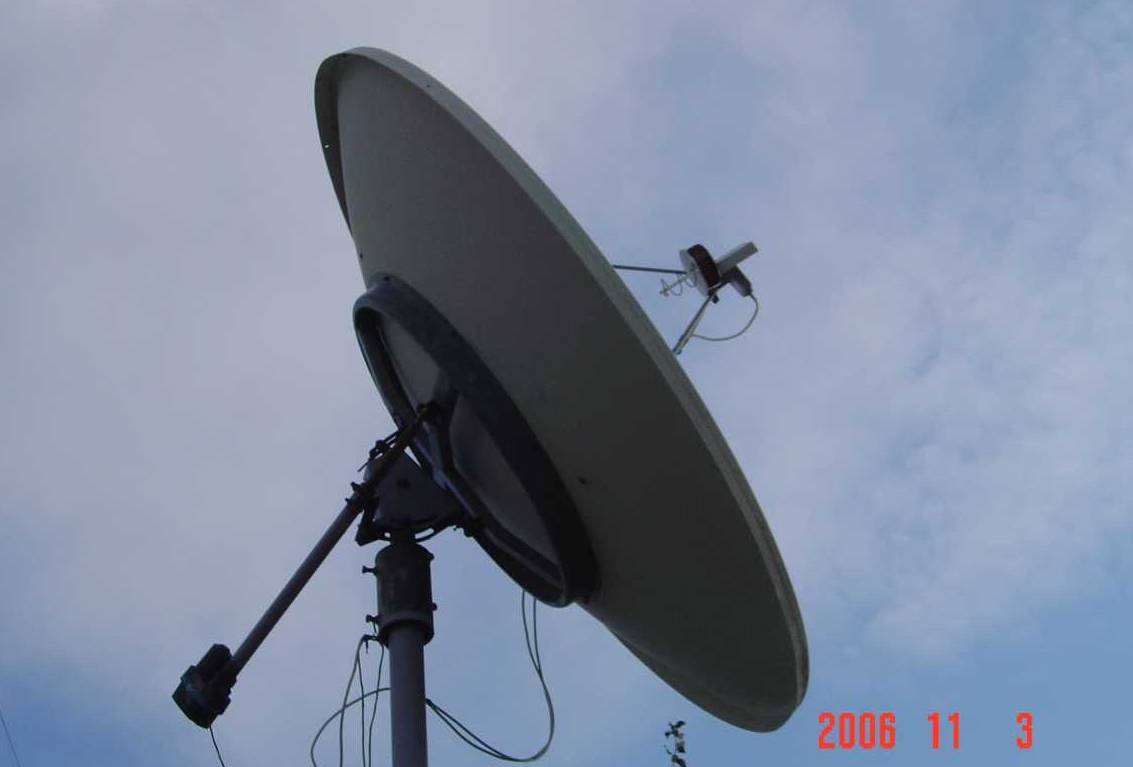
Building home-made 1.90m parabolic stressed antenna.
More info about home-made stressed parabolic dish -> read in my article (rus).
2010
After some time I finished decoding the new russian satellite Meteor M N1.
See my descriptions data transmission ---> Decoding Meteor M N1 HRPT.pdf
Many thanks to my friends for help !
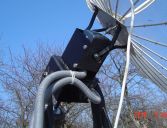
After the problems associated with the "dead zone" at the zenith, I decided to build X-Y rotor.
For construction, we used two mount PowerTech DG380 with metallic gear.
I wrote (in Delphi) a plugin for Orbitron to control the X-Y rotor.
Also changed firmware LVB tracker for X-Y mount ver. 1.0.
November, participated in the project ENVI-HAM, start receive Envisat DDS-data
(image with a resolution of 250 m / pixel).
In december obtained Aoyama decoder (from Japan) for receptions HRPT.
Aoyama decoder also decodes Meteor-M N1. See more ...
Thank you very much Mr. Aoyama for help !
2011
Modification and construction of the new receiver for HRPT.
Start receiving Meteor-M N1. Complete description of the format MHRPT here.
This year, thanks to my friends I met with Gnuradio and the USRP1 receiver.
With Gnuradio now have the opportunity to take all the L-band satellites.
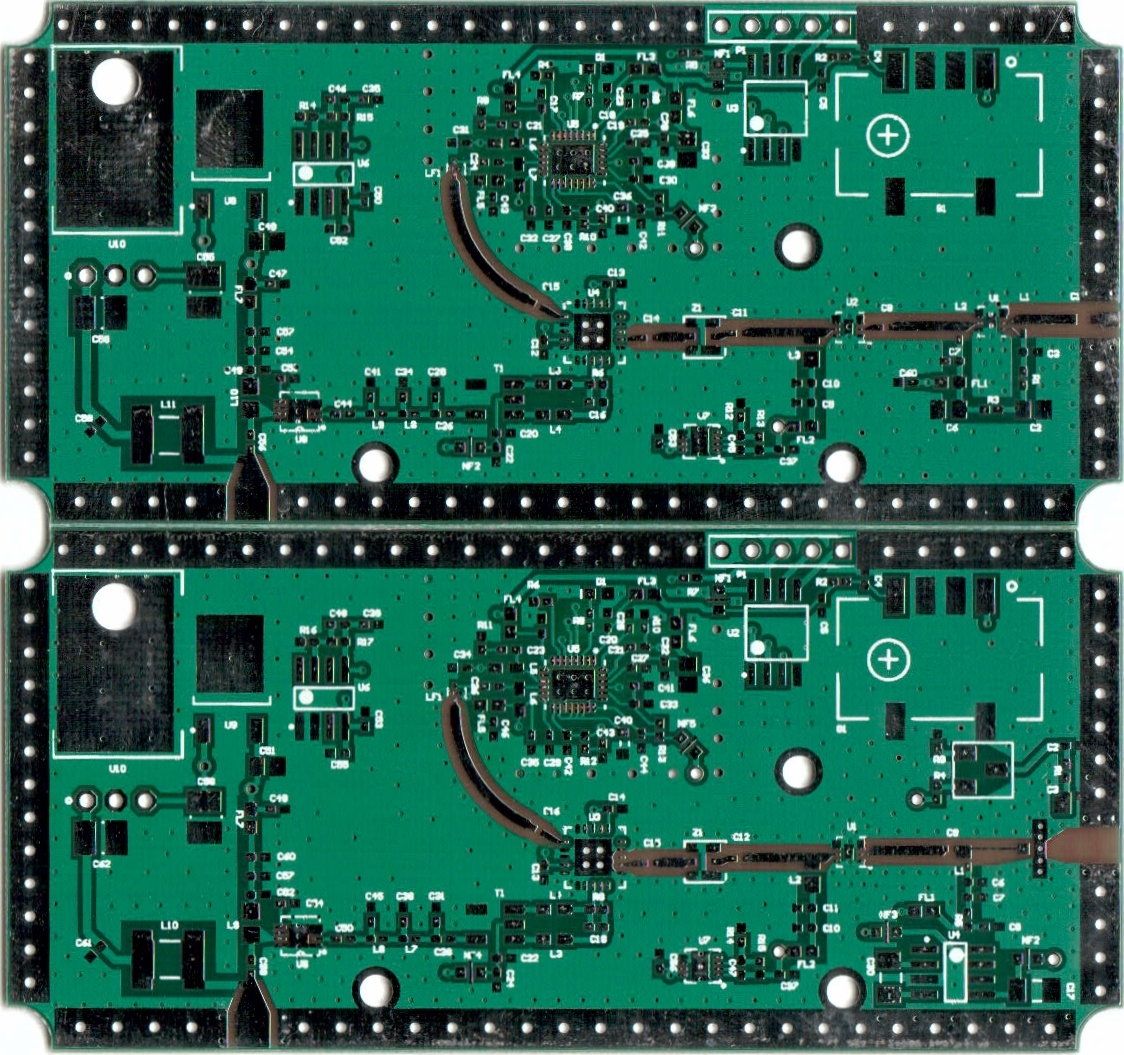
Start developing a new converter (1691MHz-->137.5MHz) on modern components.
2012
The final protocol was analyzed FY3A and FY3B Chinese satellites. See my research....
It was also completed production of two version of the downconverters.
Made recalculations and manufactured patch feed for prime focus dish with f/d =0.3-0.5
Was purchased on Ebay modem SLM-7650.
It will be used for receiving satellites in QPSK modulation.
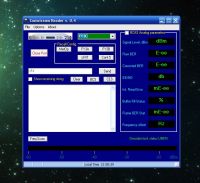
Written MetFY3x Processor software to decompress CADU frames
satellite Metop-A/B and FY3A/3B.
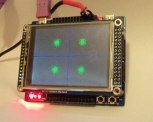
Making simple QPSK, BPSK constellations viewer based on STM32 mini-board.
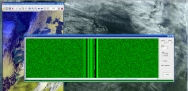
Written simple software for online viewing binary stream.
2013-2014
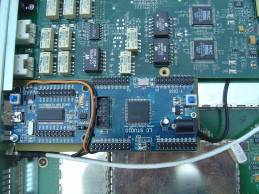
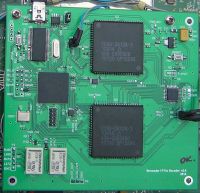
A lot of time spent on the development and manufacture hardware decoder for Chinese satellites.
Decoder is presented as a separate board that works together with a demodulator
SLM-7650 modem. More details here.
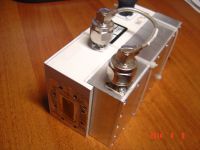
Designed and manufactured downconverter for X band.
Were purchased waveguide powerful gearboxes, stepper motors and a parabolic antenna of 2.3 m for X-band experiments.
2015-2016
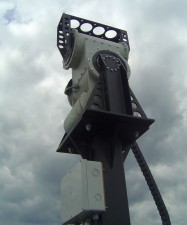
All his spare time was devoted to the design, construction details, write software and firmware for the new X-Y rotor.
What came out - look here.

 More...